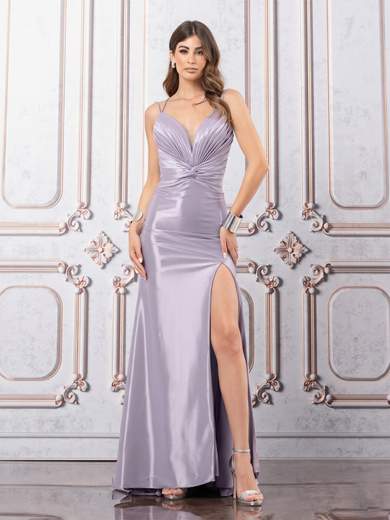
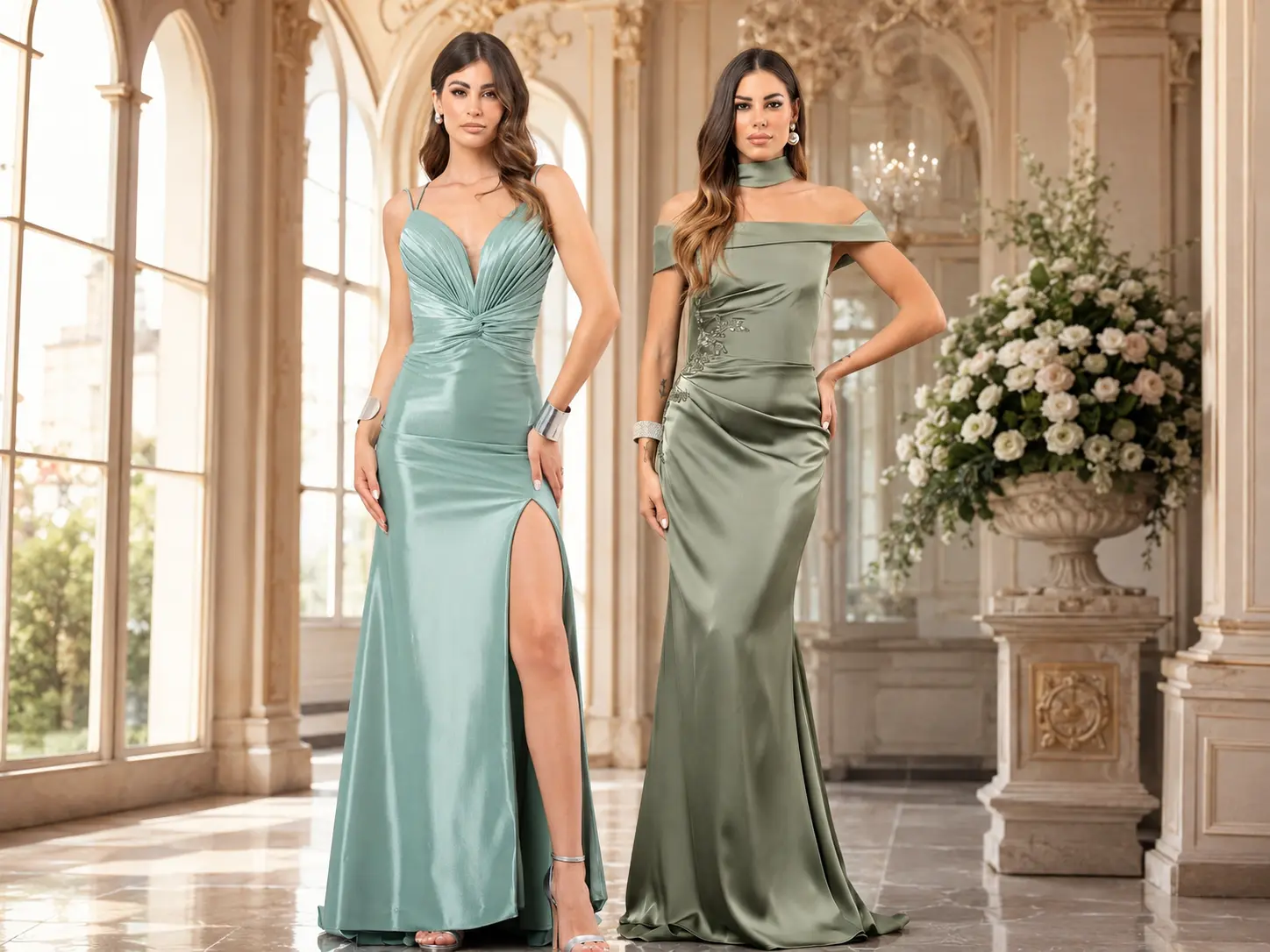
Choosing the right ceremony dress means finding the perfect balance between elegance, occasion, role and comfort. Every event has its own style: a daytime wedding requires different choices from an evening ceremony, just as a civil wedding has different needs from a formal celebration. In this guide, you will find practical tips to help you choose the right model, colour, length and details, so you can create a refined look that feels natural and appropriate.
1. Start with the type of event: the occasion guides your choice
The first criterion for choosing an elegant dress is not only personal taste, but the type of ceremony you will attend. A formal event, an outdoor celebration, a civil wedding or an evening ceremony all require different style codes. Understanding the context helps you avoid a look that is too casual, too showy or not aligned with the atmosphere of the occasion.
For a traditional wedding or an elegant ceremony, you can choose refined silhouettes, fluid fabrics, discreet luminous details and sophisticated colours. For a more informal ceremony, midi dresses, soft cuts, delicate prints and fresh shades work particularly well.
The location also matters. A historic villa, an elegant hotel or a reception hall calls for a more polished look. A garden, beach or countryside ceremony allows for lighter fabrics, softer colours and a more relaxed elegance.
Before choosing your outfit, consider three key elements: time of day, location and level of formality. Once these aspects are clear, it becomes much easier to select the most suitable option from the different ceremony dresses available.
2. Daytime or evening ceremony dress: what changes?
The time of the ceremony has a strong influence on the choice of dress. During the day, it is better to focus on bright elegance, lighter colours and less dramatic silhouettes. In the evening, you can opt for deeper shades, more precious fabrics and more sophisticated details.
For a daytime ceremony, midi dresses, knee-length styles, slightly below-the-knee dresses, flowing cuts, flared silhouettes and elegant floral prints are ideal. Pastel shades, powder pink, powder blue, sage green, lilac and light blue are often suitable choices for morning or afternoon weddings.
For an evening ceremony, the dress can be more statement-making. Navy blue, forest green, burgundy, teal, plum and delicate metallic tones are refined options. The length can also be more formal: a long dress or a structured midi style is perfect for evening events and more elegant receptions.
The key is not to confuse elegance with excess. Sequins, slits, sheer details and necklines can work well only when balanced with taste. A well-chosen ceremony dress should enhance your figure without stealing the spotlight.
3. Choose the model according to your role in the ceremony
Not all guests have the same role. Being a guest, a bridesmaid, a maid of honour, the mother of the bride or groom, or a close relative changes the level of attention your look requires.
If you are a guest, choose an elegant dress that is not too eye-catching. Midi styles, wrap dresses, flowing silhouettes and dresses with discreet details are often versatile solutions. The goal is to look polished, refined and consistent with the tone of the event.
If you are the maid of honour or have an important role, your look should be more refined. You can choose a long dress, a fluid fabric, a rich colour or a more structured silhouette. In this case, it is useful to coordinate with the bride, especially to avoid colours or styles she may not want.
For the mother of the bride or groom, the choice should convey elegance, poise and sophistication. Refined dresses, elegant suits, soft coordinated sets or styles with a jacket, shawl or bolero are particularly suitable.
If your role is central, choose a garment with presence but without excess. The collection of elegant ceremony dresses can help you compare different styles according to the level of formality required.
4. Colours and prints: how to choose without making mistakes
The colour of a ceremony dress communicates a great deal. This is why it should be chosen carefully, considering the season, time of day, type of event and any indications from the bride and groom.
In general, for a wedding it is best to avoid white, ivory and shades that are too close to the bride’s dress, unless otherwise specified. A full black look can also be very elegant, but it should be evaluated according to the context: it may work for a formal evening ceremony, while it can feel too severe for a daytime wedding.
Pastel colours are perfect for spring and summer ceremonies. More intense shades, such as blue, green, burgundy or teal, are ideal for autumn, winter or evening events. Floral prints, when refined, are especially suitable for daytime ceremonies, outdoor locations and less formal weddings.
A good rule is to choose colours that enhance your complexion, hair colour and personality, without ignoring the context. A beautiful dress that is not appropriate for the event may appear less elegant than a simpler style that is perfectly in tune with the occasion.
5. Fit and comfort: the right dress should enhance you
A ceremony dress should not only be beautiful: it should make you feel comfortable for many hours. A ceremony often includes the service, aperitif, lunch or dinner, photos, dancing and moving between different spaces. For this reason, fit is essential.
If you want to highlight the waist, choose wrap dresses, crossed designs or styles with a belt. If you prefer a dress that follows the silhouette without feeling too tight, flowing dresses, empire-line cuts and soft fabrics are excellent options. If you want to elongate the figure, a well-proportioned midi length or a long dress with a vertical line can be very flattering.
The neckline should also be chosen carefully. A V-neck can elongate the upper body, a soft neckline can add delicacy, while a higher neckline can look very elegant when balanced with light fabrics or luminous details.
Comfort does not mean giving up style. It means choosing a dress that allows you to move, sit, walk and enjoy the event with confidence. A truly elegant look is one that enhances the person, not just the trend.
6. Accessories, shoes and outerwear: complete the look with balance
Once you have chosen the dress, the look should be completed with coherent accessories. Shoes, bag, jewellery and outerwear can make the outfit more harmonious or weigh it down. The most useful rule is to choose one main element and let the other details support it.
If the dress is rich in details, opt for simple accessories. If the dress is minimal, you can enhance it with a luminous clutch, embellished sandals or statement earrings. The combination does not have to be perfectly tone-on-tone: a delicate contrast often makes the look more modern.
Outerwear is essential, especially for church ceremonies, evening events or mid-season occasions. A shawl, bolero, elegant jacket or lightweight coat can complete the outfit without taking elegance away from the dress.
Before deciding, always try the complete look: dress, shoes, bag and accessories. This allows you to check proportions, colours and overall balance. Choosing elegant dresses for ceremonies becomes more effective when the outfit is considered together with all the elements that will complete it.
7. Mistakes to avoid when choosing a ceremony dress
One of the most common mistakes is choosing a dress simply because you like it, without considering the event. A style that is perfect for an elegant evening may be excessive for a daytime ceremony; on the other hand, a dress that is too simple may not be suitable for a formal reception.
Another mistake is ignoring the dress code. If the couple indicates a specific style, colour or level of formality, it is important to respect it. Your look should express personality, but also consideration for the occasion.
Pay attention to your shoes as well. Very high heels can be elegant, but if they make it difficult to walk or stand for long periods, they may affect the whole day. It is better to choose refined footwear that is also comfortable enough for the duration of the event.
Finally, avoid overloading the look. A statement dress, bold jewellery, a sparkling bag and intense make-up can create an unbalanced effect. Elegance often comes from selection, not accumulation.
When in doubt, start with refined simplicity: a well-cut dress, a suitable colour and balanced accessories are a safe foundation for an impeccable ceremony look.
FAQ: how to choose a ceremony dress
What is the best ceremony dress for a daytime wedding?
For a daytime wedding, midi dresses, knee-length styles, light fabrics and bright colours are recommended. Pastel shades, delicate prints and soft silhouettes are often the most elegant choice.
When should I choose a long ceremony dress?
A long dress is particularly suitable for evening ceremonies, formal events, elegant receptions or important roles such as maid of honour or mother of the bride or groom. For daytime events, it should be chosen more carefully, favouring light fabrics and less formal lines.
Which colours should be avoided at a ceremony?
At a wedding, it is best to avoid white, ivory and shades too similar to the bride’s dress. Very bright colours or a completely black look should also be considered according to the time of day, location and level of formality.
How can I choose a ceremony dress that flatters my body shape?
Choose a model that follows the silhouette without constricting it. Wrap cuts enhance the waist, flowing lines add elegance, empire-line dresses elongate the figure and well-proportioned midi styles are versatile for many body shapes.
Is it better to choose a simple dress or a statement dress?
It depends on the type of event. A simple dress can become very elegant with carefully chosen accessories, while a statement dress requires more understated styling. The important thing is to maintain balance between dress, shoes, bag, jewellery and make-up.
Where can I find dresses suitable for different types of ceremonies?
To compare different models, lengths, colours and styles, you can explore the selection of women’s ceremony dresses and choose the most suitable look according to the event, season and your role.