Long or Short Mother-of-the-Bride Dress? How to Choose
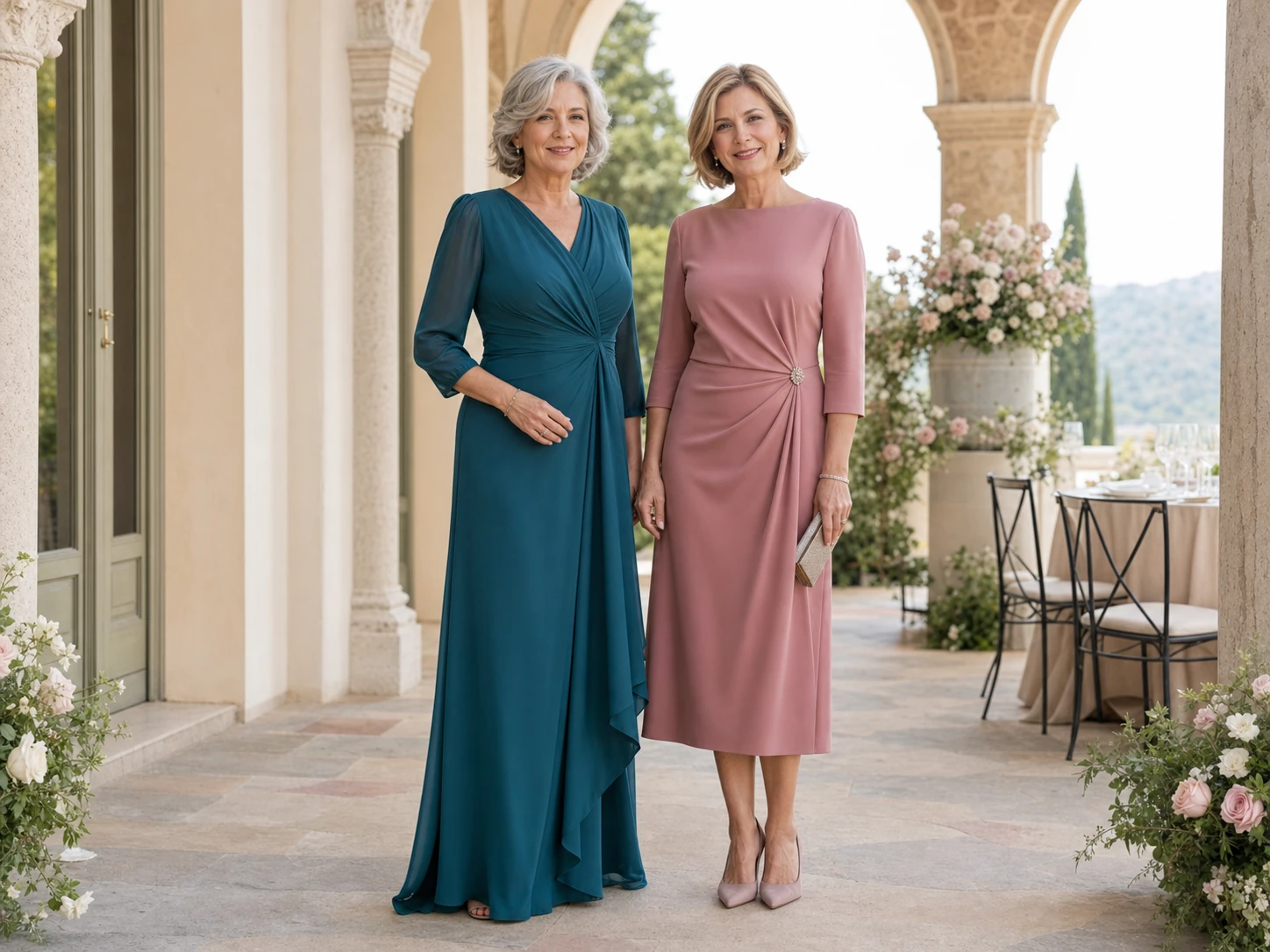
Choosing a long or short mother-of-the-bride dress depends on the time, formality, venue and dress code. A knee-length or midi dress is generally appropriate for a daytime wedding, while a long gown feels more natural for an evening or highly formal celebration. This is not a rigid rule: fabric, cut and restraint matter as much as the hemline. The right design should honour the mother's important role without competing with the bride, and it should remain comfortable from the ceremony to the reception. Among the mother-of-the-bride dresses, the best choice is therefore the one that suits the entire event, not simply the longest option.
Long or short dress: the rule in brief
A useful starting point is simple: choose a polished short or midi dress for the daytime and a long gown for the evening. A morning ceremony followed by lunch usually calls for a hem at the knee, below the knee or around mid-calf. A wedding beginning in the late afternoon and continuing with a formal dinner is more likely to suit an ankle-length or floor-length gown.
This guideline must be considered alongside the degree of formality. A daytime reception in a historic villa may require a particularly refined midi dress, while a relaxed evening wedding on the beach does not necessarily demand a gala gown. The couple's instructions take priority as well: if the invitation specifies black tie, evening dress or a particular atmosphere, it is sensible to respect that code.
Length alone does not determine elegance. A well-cut cady midi dress may look more distinguished than a heavily sequined long gown that does not suit the occasion. Equally, a fluid monochrome gown can remain understated even when the ceremony starts before sunset. The useful question is not “which option is more elegant?” but “which option best reflects the time, venue and tone of the wedding?”.
Mother of the bride at a daytime wedding: when to choose short or midi
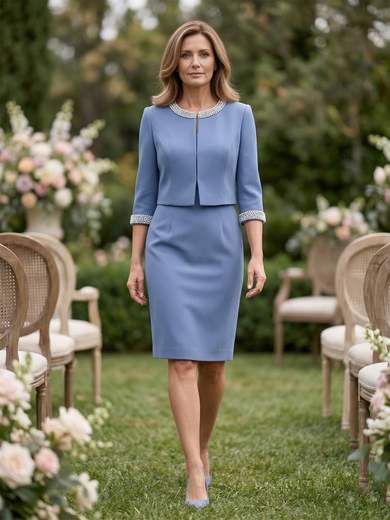
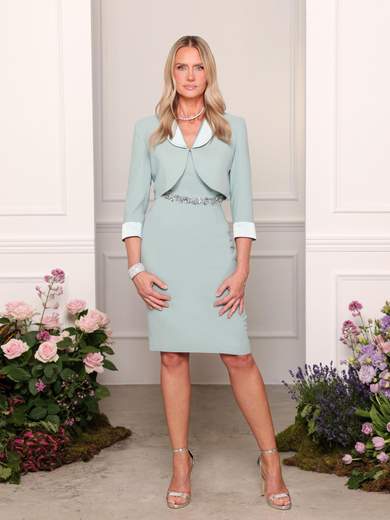
For a daytime wedding, “short” does not mean mini. The most balanced hem normally reaches the knee or falls just below it; a midi length ending around mid-calf adds formality and gives the mother of the bride a particularly polished presence. The skirt should allow her to sit, walk and use stairs without constant adjustment.
A midi dress is suitable for a civil ceremony, a morning religious service, an elegant lunch or a garden reception. A-line shapes, relaxed sheath dresses, gently flared skirts and controlled draping all work well. Crepe, cady, lightweight mikado and matte satin provide structure without creating the solemn effect of an evening gown. Lace and embroidery can be included when used selectively and when they do not echo the bridal dress too closely.
Natural daylight makes colour and texture especially visible. Luminous blues, sage or deep teal, dusty rose, mauve and pastel shades that are not too pale are effective options. White, ivory and tones that could photograph as bridal are best avoided. A highly reflective fabric or very sparkling embellishment can also feel out of place during a morning celebration.
Midi length is often the most versatile choice when the programme lasts many hours: it remains formal during the ceremony, makes moving between venues easier and offers freedom on the dance floor. A light jacket, wrap or coordinated coat can complete the outfit during a religious service and be removed later at the reception.
Mother of the bride at an evening wedding: when a long gown is appropriate
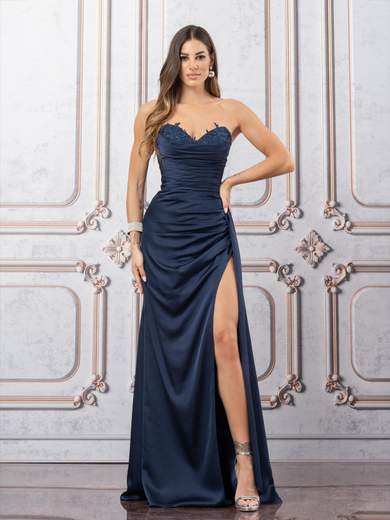
A long gown is at its best for evening weddings, highly formal receptions and venues that call for a more distinguished presence, such as palaces, historic houses and grand hotels. For the mother of the bride, measured elegance is usually the strongest approach: fluid lines, sophisticated colours and precious detail concentrated in a few areas are more effective than theatrical volume or embellishment everywhere.
A floor-length design must be altered while wearing the final shoes. The hem should neither drag nor conceal the foot completely while walking. Trains, excessively wide skirts and constructions resembling bridal wear are impractical and may compete visually with the bride. An ankle-length dress is a useful alternative when the wearer wants the effect of a gown with easier movement.
Fluid crepe, layered chiffon, cady and satin with controlled lustre work well in the evening. Midnight blue, deep teal, plum, forest green and jewel tones add depth without making black the automatic choice. When selecting a dark colour, luminous accessories and a fabric with movement help prevent the outfit from looking too severe.
A long gown is not compulsory after sunset. A refined midi dress in a substantial fabric, completed with evening accessories, can be ideal for an elegant dinner that is not described as a gala. The invitation, venue and couple's guidance are more reliable than a rule based only on the clock.
Dress code, venue and role: the three criteria that change the choice
The dress code is the first criterion to check. When explicit, it removes much of the uncertainty: black tie points towards a long gown, cocktail attire towards knee or midi length, while “smart casual” or “informal elegance” allows lighter solutions. When no code appears, asking the bride about the intended atmosphere is useful, without turning the conversation into a request for approval of every detail.
The venue changes the way the same dress is perceived. A cathedral or place of worship calls for a composed neckline and covered shoulders during the service; in a garden, stable footwear and freedom around the hem matter; on gravel or grass, a floor-skimming gown is less practical. A beach setting favours fluid fabrics and light construction, while a historic ballroom supports more structured materials.
The mother's role justifies a recognisable, carefully considered outfit, but not necessarily a more conspicuous one. Her look should harmonise with the wedding palette and level of formality without copying the bridesmaids or matching the groom's mother exactly. It is enough for the colours, intensity and style of both outfits to sit comfortably together in photographs.
Before deciding, it helps to compare several elegant styles for the mother of the bride in different lengths. Seeing the options side by side makes changes in posture, proportion and movement clearer and prevents a decision based only on how a garment looks on the hanger.
How to choose the length during a dress fitting
A fitting should recreate the demands of the actual day. Looking straight into a mirror is not enough: the wearer should walk, sit, step onto a low platform and raise her arms. A shorter dress must not ride up excessively when seated; a midi hem should not end at the widest part of the calf if that proportion feels unbalanced; a long skirt must release the stride without needing to be lifted continually.
Bringing shoes with a heel height similar to the planned pair is essential, particularly for a gown. Even a few centimetres change the hem, posture and the way the bodice falls. If the final shoes have not yet been selected, it is wise to leave room for alteration and schedule the last fitting once they are available.
- Consider the time: daytime favours knee and midi lengths; evening and high formality support a long gown.
- Check the ground: grass, gravel and stairs make a floor-length hem less practical.
- Test movement: sit and walk without holding or repeatedly rearranging the dress.
- Include the shoes: a long gown must be measured with the real heel or an equivalent height.
- Assess the whole look: length should balance the neckline, sleeves, volume and accessories.
If two lengths are equally appropriate, comfort and personality can make the final decision. The mother of the bride spends many hours standing, welcoming guests and appearing in photographs, so feeling secure and natural matters more than following a convention rigidly. The mother-of-the-bride occasionwear collection makes it possible to compare different silhouettes while keeping the focus on the event.
Frequently asked questions about long and short mother-of-the-bride dresses
Can the mother of the bride wear a long dress to a daytime wedding?
Yes, particularly when the wedding is formal and the design is restrained. Fluid lines, colours that are not overly dark and fabrics without excessive shine work best. Trains, gala volume and highly sparkling embellishment are better avoided. For a less formal lunch, midi length will usually look more balanced.
What is the ideal length for a short mother-of-the-bride dress?
The most versatile option reaches the knee or falls just below it. Midi length at mid-calf is also appropriate and slightly more formal. A hem far above the knee tends to suit the role less well and may feel uncomfortable during the ceremony or when sitting down.
Is a long gown compulsory for an evening wedding?
No. It is the natural choice when the invitation specifies a formal dress code or the reception has the character of a gala. For an elegant but less solemn dinner, a midi dress in a precious fabric with evening accessories can be equally appropriate.
Can a petite mother of the bride wear a long gown?
Yes. A clean vertical line, a well-positioned waist and continuous colour can elongate the figure. Proportion and accurate alterations matter more than height itself. Avoiding excessive volume and setting the hem precisely over the shoes will create a balanced result.
Should the mother of the bride change between the ceremony and reception?
It is not necessary. One well-chosen dress can work throughout the event. A jacket or wrap can be removed, small accessories can be changed, or make-up and jewellery can become slightly more luminous for the evening without requiring a complete second outfit.