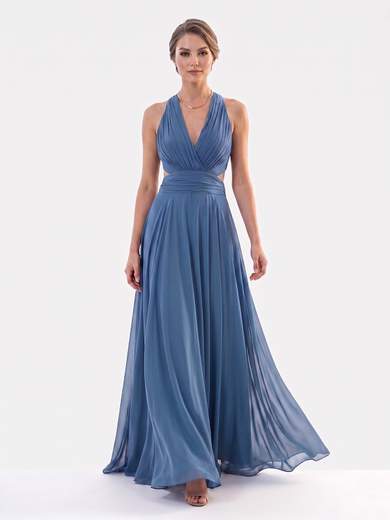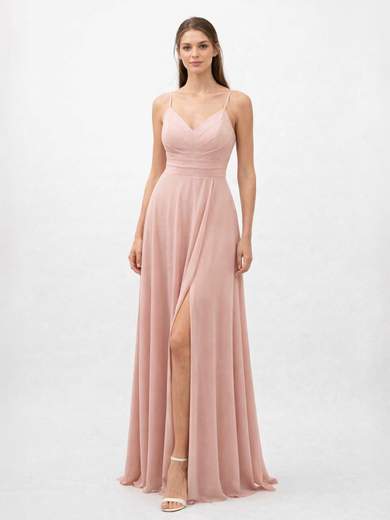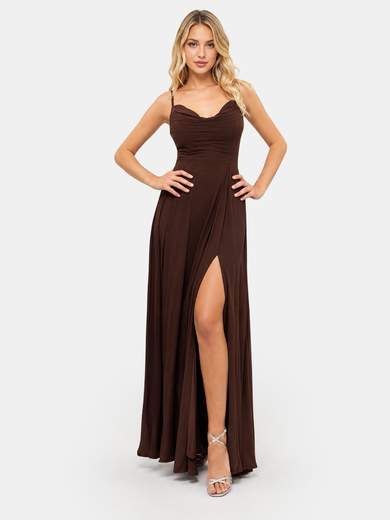
Same or Different Bridesmaid Dresses? How to Coordinate the Group
Bridesmaid dresses can be identical, different styles in the same colour, or coordinated through a carefully chosen palette. The best option depends on the wedding’s formality, the size of the group, and the bridesmaids’ different body shapes and personal styles. One dress creates a highly uniform result; different silhouettes in one shade offer more freedom; a tonal palette feels natural and contemporary. To prevent a mismatched group from looking unplanned, decide which elements are fixed before anyone starts shopping and allow flexibility only where it has been agreed.
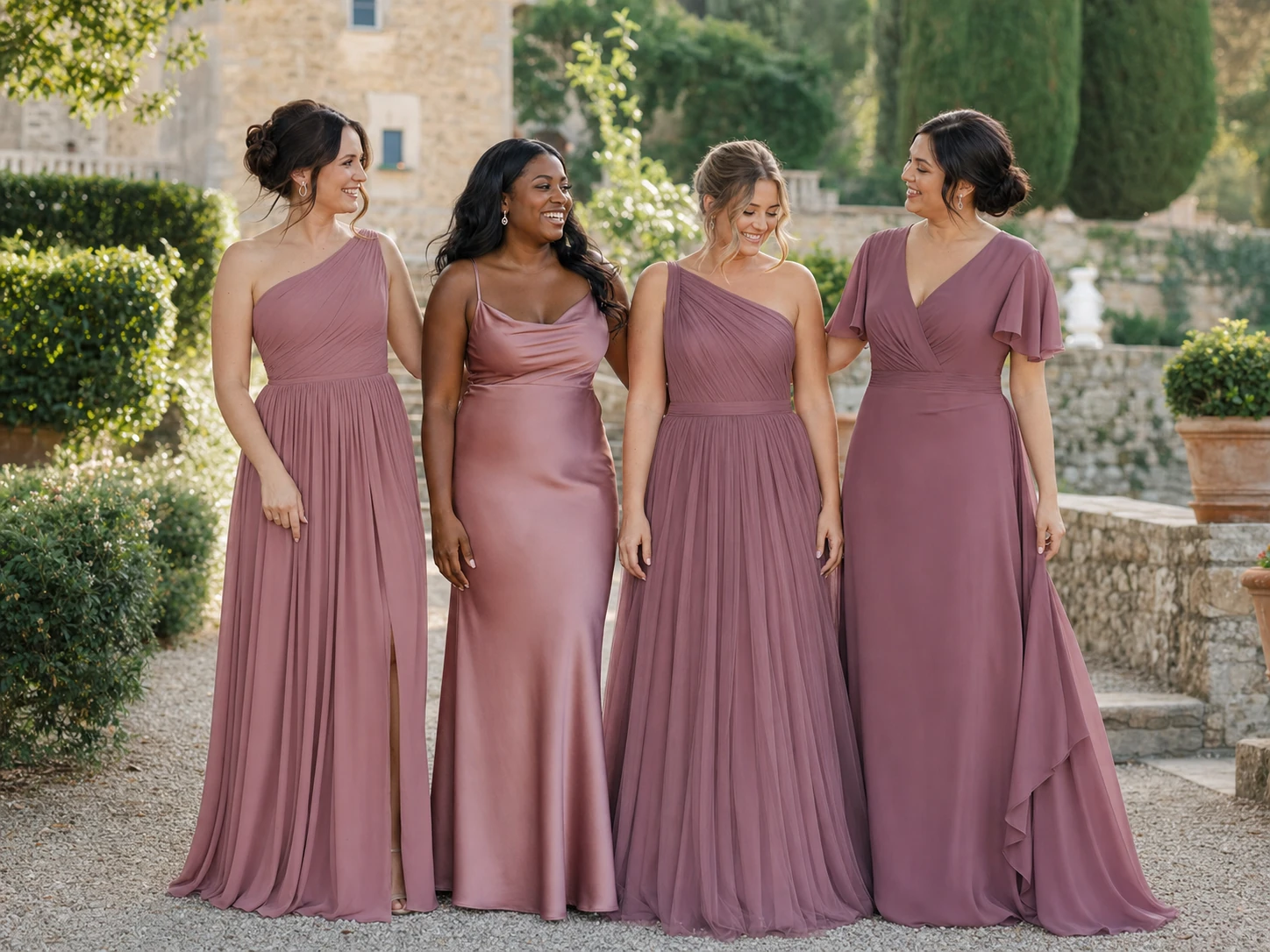
Same or different bridesmaid dresses: which option works best?
There is no single formula that suits every wedding. The choice should create visual consistency without sacrificing the comfort of the people wearing the dresses. Start by considering three clear options: the same style and colour; different styles in the same colour; or different colours within a defined palette.
| Approach | Main advantage | Watch out for | Best when |
|---|---|---|---|
| Same style and colour | Maximum uniformity | Fit across different body shapes | The group is small and has similar preferences |
| Same colour, different styles | Balance of harmony and personalisation | A true colour match | You want to flatter different silhouettes |
| Tonal palette | Natural, dynamic effect | The number and intensity of colours | The wedding has a soft or contemporary aesthetic |
When turning the idea into a final choice, compare bridesmaid dresses that can be coordinated by looking at colour, cut, fabric and available sizes together. A cohesive result comes from treating the dresses as a group rather than choosing each one in isolation.
Three ways to coordinate bridesmaids without creating a uniform
The same dress in the same colour
This is the most traditional approach and makes the bridal party instantly recognisable. It works well with a small group when everyone feels confident in the same silhouette and the dress code is formal. Its strength is visual simplicity, particularly during the entrance and in symmetrical photographs.
The limitation becomes clear when one neckline, waist placement or strap style does not give every bridesmaid the same comfort or support. Before committing, each person should try the dress while sitting, walking and raising her arms. A uniform look should not depend on repeatedly adjusting a dress throughout the day.
The same colour in different styles
This is often the most balanced option: the colour connects the group, while each bridesmaid chooses a silhouette that suits her. Necklines, sleeves and skirt constructions can vary while the colour, length and degree of formality remain consistent.
However, “the same colour” should mean a verified match, not just the same product name. Two dresses described as dusty rose may differ in undertone, finish and fabric. Satin, chiffon and crepe reflect light differently, so view the dresses together in daylight and photograph them under artificial light as well.
Different colours from a shared palette
Different tones create the classic mismatched bridesmaid look, which is elegant when the palette has clear boundaries. A family of mauve, dusty pink and muted berry, for example, is more useful than a broad instruction such as “pastel colours”. The bride should define three to five accepted shades and explain which should dominate and which are accents.
Distribute the colours before purchasing to prevent imbalance. With four bridesmaids, unrestricted choice could result in three almost identical pale dresses and one very dark dress. A simple photograph of the swatches or a shared digital collage helps everyone assess the rhythm of the palette.
How to choose according to body shape, style and wedding
Four practical factors make the decision easier.
- Number of bridesmaids: in a large group, different styles reduce fit problems; with two or three people, one identical dress may be easier to manage.
- Different bodies and support needs: height, bust, shoulder width and waist placement affect comfort. A shared colour is often enough to unite the group.
- Wedding formality: consistent lines and lengths feel more formal; a tonal palette feels more relaxed while still looking refined.
- The bride’s and venue’s style: the group should complement the atmosphere without copying the wedding dress or blending into the decorations.
A useful rule is to fix two or three elements and make the others flexible. For example, use the same colour, length and a similar fabric, with freedom over necklines and sleeves. Alternatively, agree on equally formal styles, assign the palette, and keep accessories understated. The collection of elegant bridesmaid dresses lets the group compare several silhouettes before defining its shared dress code.
A practical method for coordinating the group
- Define the setting. Put the ceremony time, venue, formality and main wedding colours on one page. A few consistent reference images are enough.
- Set the rules. Write down the colour or palette, length, accepted fabrics and details to avoid. Vague directions such as “elegant and romantic” leave too much room for interpretation.
- Listen to individual needs. Before choosing a style, ask each bridesmaid which necklines, sleeves and types of support make her comfortable. This prevents tension and late changes.
- Create a shortlist. The bride can suggest a limited number of compatible dresses while still offering guided choice. Too many options slow the process down.
- Review the full group. Place garments or swatches side by side, take photographs in the same light, and check that no dress looks markedly more casual, shiny or dominant.
If bridesmaids purchase at different times, share the exact colour code, photographs and chosen style details from the beginning. For parties of more than two, Strabello holds in-store group fittings on weekdays. If the bride’s approval is needed, she should attend the fitting. The availability, sizes, colours and prices shown online are the same as those in the shop.
Mistakes that make the group look less cohesive
The first mistake is choosing every dress separately and reviewing the full group only at the end. Even beautiful dresses can have incompatible levels of formality. A highly reflective satin gown beside a casual matte dress may draw attention for the wrong reason.
Another mistake is assuming that one compulsory style automatically looks elegant. If some bridesmaids feel uncomfortable, their posture and movements will show it in photographs. At the opposite extreme, complete freedom without a precise palette can make the group appear fragmented.
Avoid relying solely on colours displayed across different screens, altering hemlines without the final shoes, or adding a new shade late in the process. Before ordering, compare bridesmaid styles available in coordinating colours and save one final version of the approved selection.
FAQ about coordinated bridesmaid dresses
Do bridesmaids have to wear the same dress?
No. They can wear one style, different styles in the same colour, or different tones from a shared palette. The key is to repeat recognisable elements such as formality, length or colour family.
How do you choose different styles in the same colour?
Start with one collection or comparable swatches, because the same colour name can vary between fabrics and manufacturers. Keep the shade, length and formality consistent while allowing different necklines, sleeves and silhouettes.
How many colours should a bridesmaid palette include?
Three to five precisely defined shades are usually enough. A small party benefits from fewer colours; a larger group can repeat tones and distribute them evenly.
Can bridesmaid dresses use different fabrics?
Yes, provided their weight and formality are compatible. Check how they absorb or reflect light in person: glossy satin, sheer chiffon and matte crepe can change the way the same colour appears.
Who should decide on the bridesmaid dresses?
The bride should define the overall vision and boundaries, while each bridesmaid should be able to explain her fit and comfort needs. A bride-approved shortlist offers a good balance between coordination and personal choice.
Prodotti consigliati blog