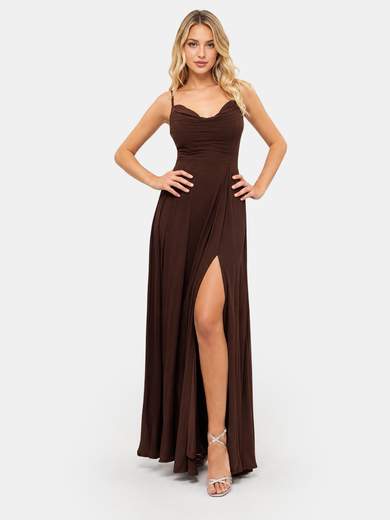
Structured or soft bodice: differences and details to check
A structured or soft bodice changes how the upper part of a dress holds its shape and follows the body. A structured design uses components that stabilise its construction; a softer one relies more on the fabric's drape. Neither option guarantees support or comfort on its own: the complete design and how it works for the wearer matter. Before choosing, separate what a photograph shows from what is sewn inside. Boning, cups, lining and fastenings perform different jobs. Understanding these details helps you ask specific questions and compare occasion dresses with a clearer idea of what to expect.
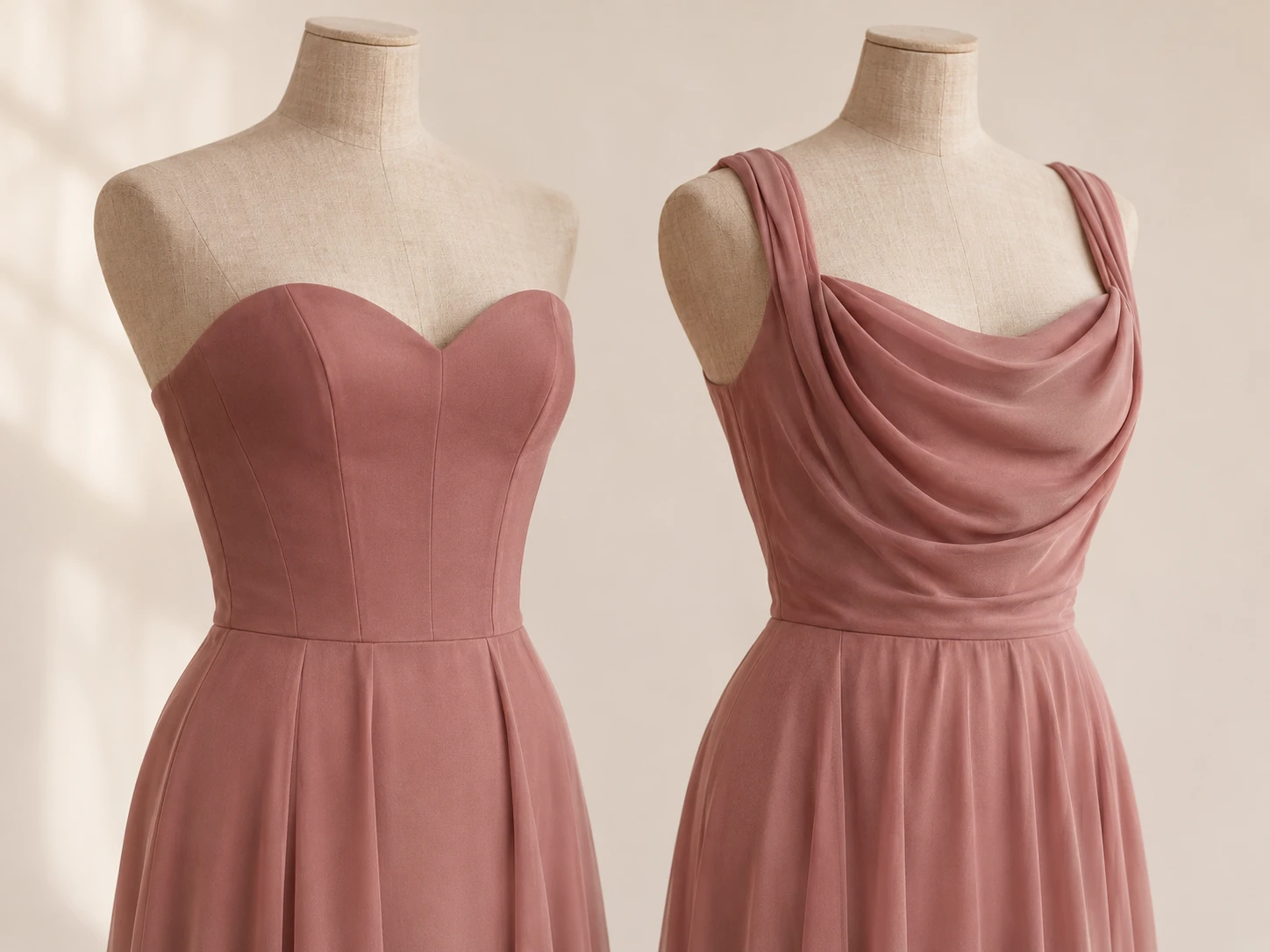
Structured and soft bodices: the difference is in the construction
The bodice is the part of a dress that covers the torso. A structured bodice incorporates reinforcement intended to help it hold its shape, such as boning, stabilising inner layers or an integrated support system. The combination varies between designs. A soft bodice relies more on the cut and drape of the fabric, with less rigid internal construction.
This distinction does not mean fitted versus loose. A soft bodice can closely follow the body, while a reinforced bodice can have a draped outer layer. Equally, a smooth dress front does not prove that boning is present. Seams can shape the fabric without containing any reinforcement.
There are also options between the two, with reinforcement only at the sides or lightweight cups beneath flowing fabric. Knowing the individual components is therefore more useful than relying on the word "structured". When comparing occasion dresses, read the bodice description alongside the pictures rather than inferring its construction from its overall style.
Boning, cups and lining: what each component does
Boning consists of supporting elements held in channels within the bodice to help maintain its shape. It may run along selected seams or at the sides. Not all boning has the same stiffness, and its presence does not automatically mean a compressive fit: placement, flexibility and length are part of the garment's design.
Built-in cups shape the bust area and may contribute to the support the dress is designed to provide. A thin cup, however, may primarily define the shape or create a smoother surface. The description "with cups" does not tell you whether a dress provides the support you want, or whether the cup shape suits your bust.
The lining finishes the inside and separates the body from the outer fabric or some construction elements. It is not automatically a supporting structure. Other layers, such as interfacing or a more stable inner fabric, may help reinforce particular areas. A lined dress can therefore still have a very soft bodice.
Padding is not the same as underwire, and cups do not imply the presence of boning. If a description mentions only one of these features, do not assume the others are included. What matters is how the components actually present work together.
Support also depends on the neckline, straps and fastening
To assess support in an occasion dress bodice, consider the rest of its upper construction too. Straps, an underbust band, the back and the waist area may contribute to overall stability when the dress is designed that way. Cups alone do not describe the complete system.
A strapless neckline calls for particular attention to the internal construction. Boning is a useful detail to establish, but it does not tell you how the top edge will stay in place on an individual wearer. A plunging neckline or a very open back also changes the areas the design can rely on.
Straps may be functional, decorative or detachable, so avoid assigning them the same role in every dress. A narrow strap can be part of the intended construction, while a wider one does not automatically demonstrate greater support. How it connects to the bodice and whether it adjusts are relevant details.
A zip closes the garment but does not certify its internal structure. A lace-up fastening may allow adjustment where the design provides for it, without making the dress a corset. It should not be tightened to compensate for construction that does not suit the wearer: the aim is stability without painful pressure.
What photographs show and what you need to check
Pictures show the outside of the bodice: seam placement, neckline, draping and its relationship with the skirt. A back view helps establish how much of the back is covered and where the fastening sits. An interior photograph, when available, may provide clues about cups and boning channels.
There are clear limits, though. A visible vertical seam does not prove that it contains boning, and a defined bust area does not demonstrate the presence of an internal cup. Soft draping does not rule out a reinforced underlayer either. The model's pose and the lighting can also make some details less apparent.
Treat terms such as "bustier", "corset effect" and "shaped bodice" as descriptions to explore further. They may refer to the garment's appearance without specifying every internal component. The name of the outer fabric does not reveal how much stabilisation the bodice contains.
If a detail is missing, regard it as unconfirmed. Asking about the garment or requesting an explanation of its construction is more reliable than repeatedly enlarging a front photograph. Always check the exact design: two dresses that look similar may have different interiors.
Questions to ask before buying
A specific enquiry helps distinguish a boned bodice from one without boning and clarifies the role of its cups. Include the reference for the dress and focus on the features that matter to you. Use these questions as a starting point:
- Does the bodice contain boning, and where is it positioned?
- Are the cups sewn in, held in pockets or absent? Are they padded?
- Is there an internal supporting structure separate from the lining?
- Do the straps contribute to the intended support or are they decorative? Are they adjustable or detachable?
- Which parts of the bodice stretch, and which are stable?
- Is a detailed view of the interior and fastening available?
The most useful answer describes the product rather than simply calling it "comfortable" or "supportive". If integrated support is essential to you, explain that requirement: confirmation that cups are present does not settle it. Construction details help narrow your selection, but they do not replace assessing the dress when worn.
If you are relying on alterations to change the cups or internal structure, request an assessment before buying. Not every bodice allows the same work, and adding a cup alone is not enough to guarantee a different result.
Choose construction according to the effect you want
A structured bodice may appeal if you want a defined torso line and a dress that retains more of its own shape. Check that its internal components match the result you are seeking, though: a crisp outer appearance does not necessarily mean greater support.
A soft bodice may suit a preference for a flowing effect, less constructed shaping or fabric that follows the body's lines. It is not automatically more comfortable: seams, edges and proportions still matter. Nor is it necessarily free from all local reinforcement.
Imagine two dresses with the same draping across the front. The first has internal cups and reinforcement; the second consists of soft outer fabric and lining. They may look similar in photographs, but the feel and the way the bodice holds its shape can differ. This is the distinction worth clarifying before you decide.
Start with two concrete priorities, such as a defined bodice and built-in cups, then check the construction of the designs you like. You can explore the occasion dress collection and use these criteria to identify the styles you would like more information about.
Frequently asked questions about dress bodices
Are built-in cups always padded?
No. Cups can be thin or padded, with different effects on bust shape. "Built-in cups" does not specify their thickness, so ask how they are made if you want to avoid or create additional volume.
Can built-in cups be removed?
It depends on the dress. Some slide out of a pocket; others are sewn in or form part of the inner construction. Do not assume they are removable without checking: taking them out may change the appearance of the bust area.
Should a boned bodice feel tight?
Boning helps maintain shape but does not require a restrictive sensation. Pain or pronounced pressure points call for the garment to be assessed. They are not something to accept simply because a bodice is structured.
Does the same dress size guarantee the same cup placement?
No. Placement depends on the design and the bodice proportions. Two dresses in the same size may position the cups and neckline differently, so the size label alone cannot predict where they will sit.
Does a soft skirt mean the bodice is soft too?
No. The skirt and bodice can have different construction. A dress may combine a flowing skirt with a reinforced upper section, so assess the two parts separately using the details for that design.